6 Mindfulness Exercises to Ease Anxiety Fast
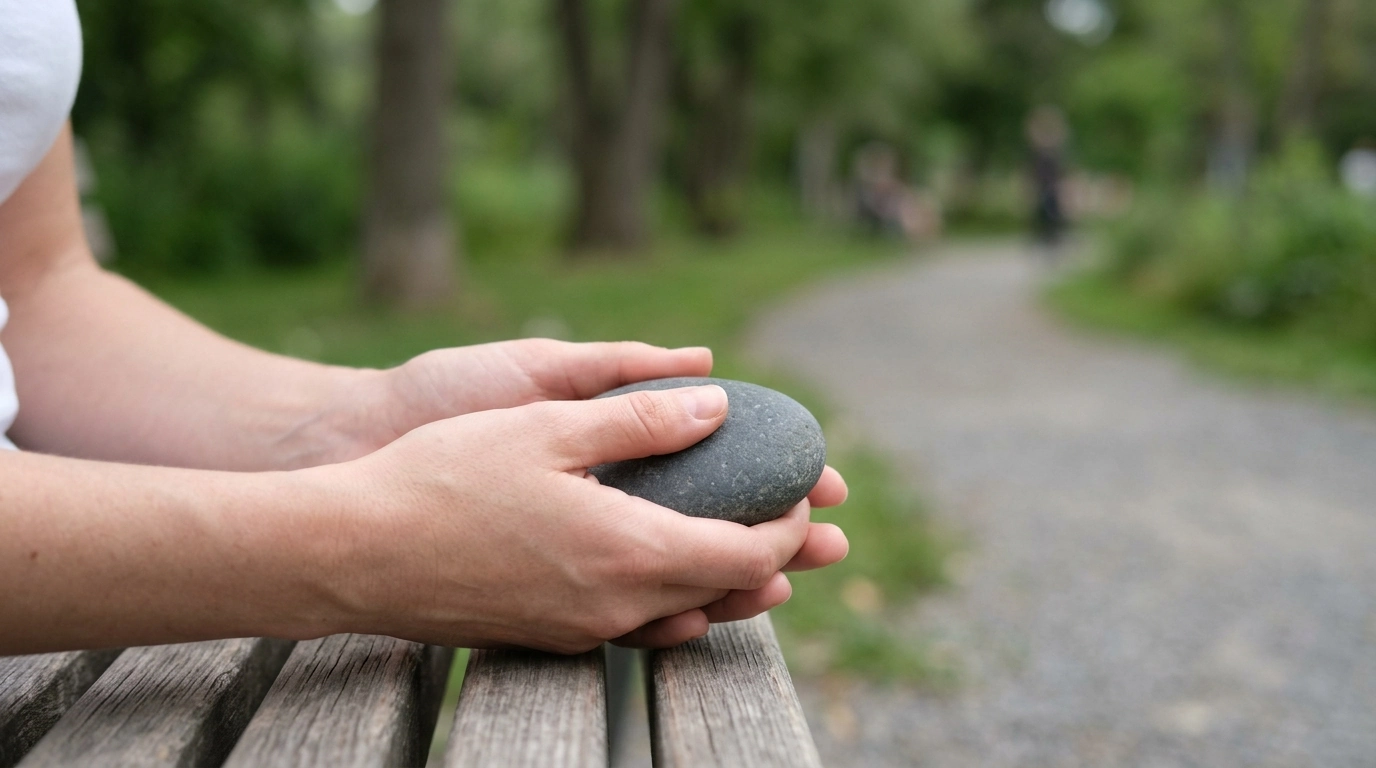
What are some mindfulness exercises that can help with anxiety?
Mindfulness exercises can help anxiety by gently shifting attention away from spiraling thoughts and back to what’s happening right now. The goal isn’t to force calm—it’s to notice sensations, thoughts, and emotions without getting pulled along by them. Try a few options below and stick with the one that feels most doable on anxious days.
1) Box breathing (4-4-4-4)
Inhale through your nose for 4 counts, hold for 4, exhale slowly for 4, hold for 4. Repeat for 4 rounds. Keeping the count steady can reduce physical tension and slow the stress response.
2) 5-4-3-2-1 grounding
Identify 5 things you can see, 4 you can feel, 3 you can hear, 2 you can smell, and 1 you can taste. This anchors your attention to the environment when worry feels loud.
3) Body scan (2–5 minutes)
Starting at your feet and moving upward, notice sensations—warmth, pressure, tingling, tightness—without trying to change them. If you find a tense spot, soften around it on the exhale.
4) Noting thoughts
When anxious thoughts show up, label them quietly: “planning,” “judging,” “remembering,” or simply “thinking.” Then return to your breath or a sound in the room. Labels create a little space between you and the thought.
5) Mindful walking
Walk slowly for 1–3 minutes and pay attention to heel-to-toe contact, shifting weight, and the feeling of air on your skin. If your mind wanders, return to the next step.
6) Self-compassion pause
Place a hand on your chest and say: “This is a hard moment. Anxiety is here. May I be kind to myself.” Comforting the nervous system often works better than arguing with it.
For a deeper, step-by-step guide, visit the main article on mindfulness exercises for anxiety.
FAQ
How long should I practice mindfulness to notice anxiety relief?
Many people notice a small shift in a few minutes, especially with breathing or grounding. More lasting benefits typically build with consistent practice—about 5–10 minutes most days for a few weeks.









Leave a comment