Healthy Daily Diet Plan: Simple Meals for Every Day
What is a good daily diet plan for a healthy life?
A good daily diet plan for a healthy life is one that’s consistent, balanced, and easy to follow long-term. Aim to fill most meals with colorful vegetables and fruits, include lean protein at each meal, choose high-fiber carbs, and add healthy fats in moderate portions. Staying hydrated and keeping added sugar and ultra-processed foods occasional helps the plan work in real life.
Answer: A simple daily template you can follow
Breakfast (build steady energy)
Choose a protein + fiber combo: eggs with veggies, Greek yogurt with berries and chia, or oatmeal topped with nut butter and fruit. Add water or unsweetened coffee/tea. This supports fuller mornings and fewer cravings later.
Lunch (balanced and satisfying)
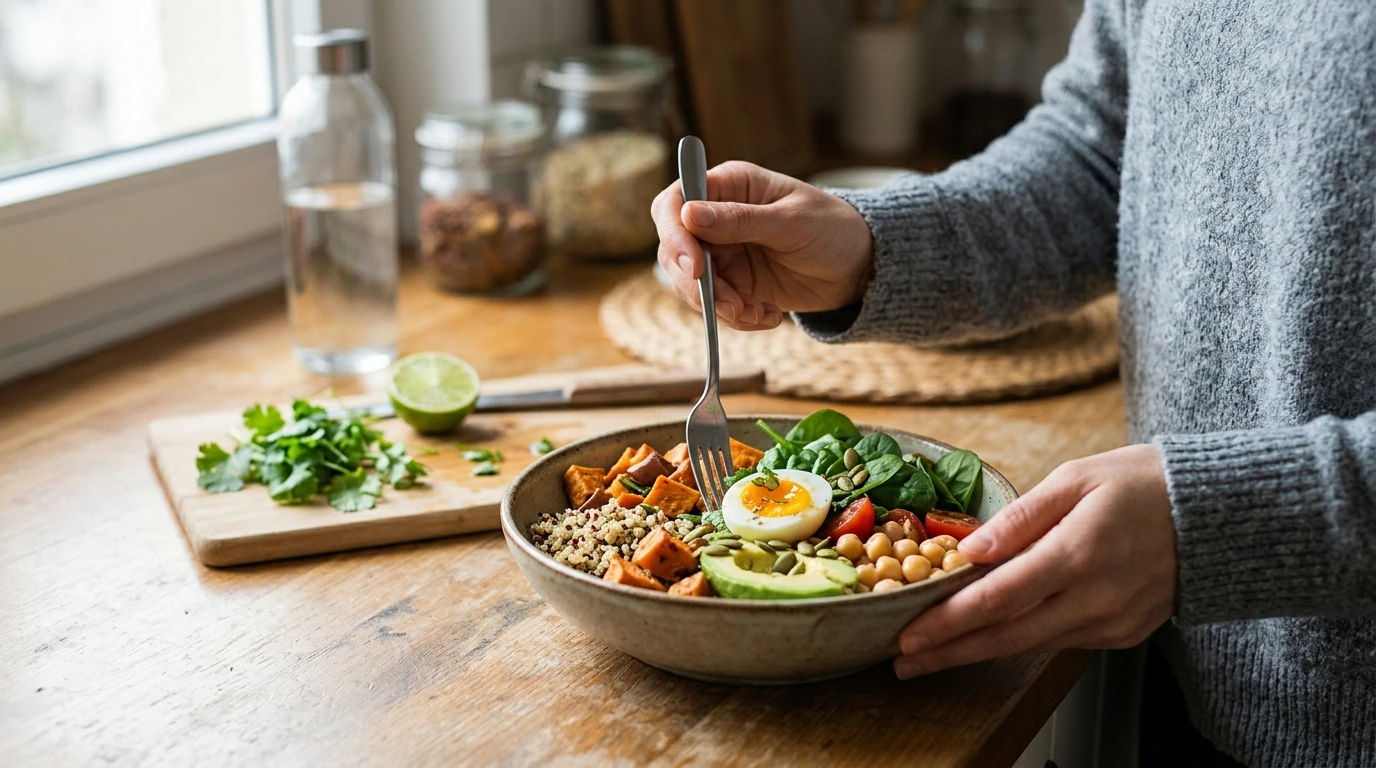
Use the “half-plate” approach: half non-starchy veggies (salad, broccoli, peppers), one-quarter lean protein (chicken, tofu, tuna, beans), and one-quarter high-fiber carbs (brown rice, quinoa, sweet potato). Include a healthy fat like olive oil or avocado for flavor and staying power.
Dinner (lighter, nutrient-dense)
Keep it similar to lunch, but adjust portions based on activity level. A practical option is baked salmon or lentils, roasted vegetables, and a small portion of whole grains. If dinner is late, emphasize protein and veggies and reduce heavy, refined carbs.
Snacks (optional, but strategic)
If hungry between meals, pick one: a piece of fruit with nuts, hummus with carrots, cottage cheese, or a protein shake with minimal added sugar. Snacks should prevent overeating at meals, not replace them.
Daily habits that make the plan work
Plan for 25–35g of fiber, include protein 3–4 times per day, and drink water consistently (more if you sweat). Keep sodium and added sugar in check by cooking more at home and reading labels.
For a deeper breakdown with practical examples and meal ideas, visit the main guide on a good daily diet plan for a healthy life.
FAQ
How can I make a healthy diet plan easier to stick to?
Repeat a few go-to breakfasts and lunches, prep proteins and chopped veggies once or twice a week, and keep simple staples on hand (frozen vegetables, beans, eggs, yogurt, whole grains). Consistency beats complexity.












Leave a comment